
Fatwas of the Late Sheikh Ibn Baz on Delegation in Hajj and Umrah on Behalf of Others
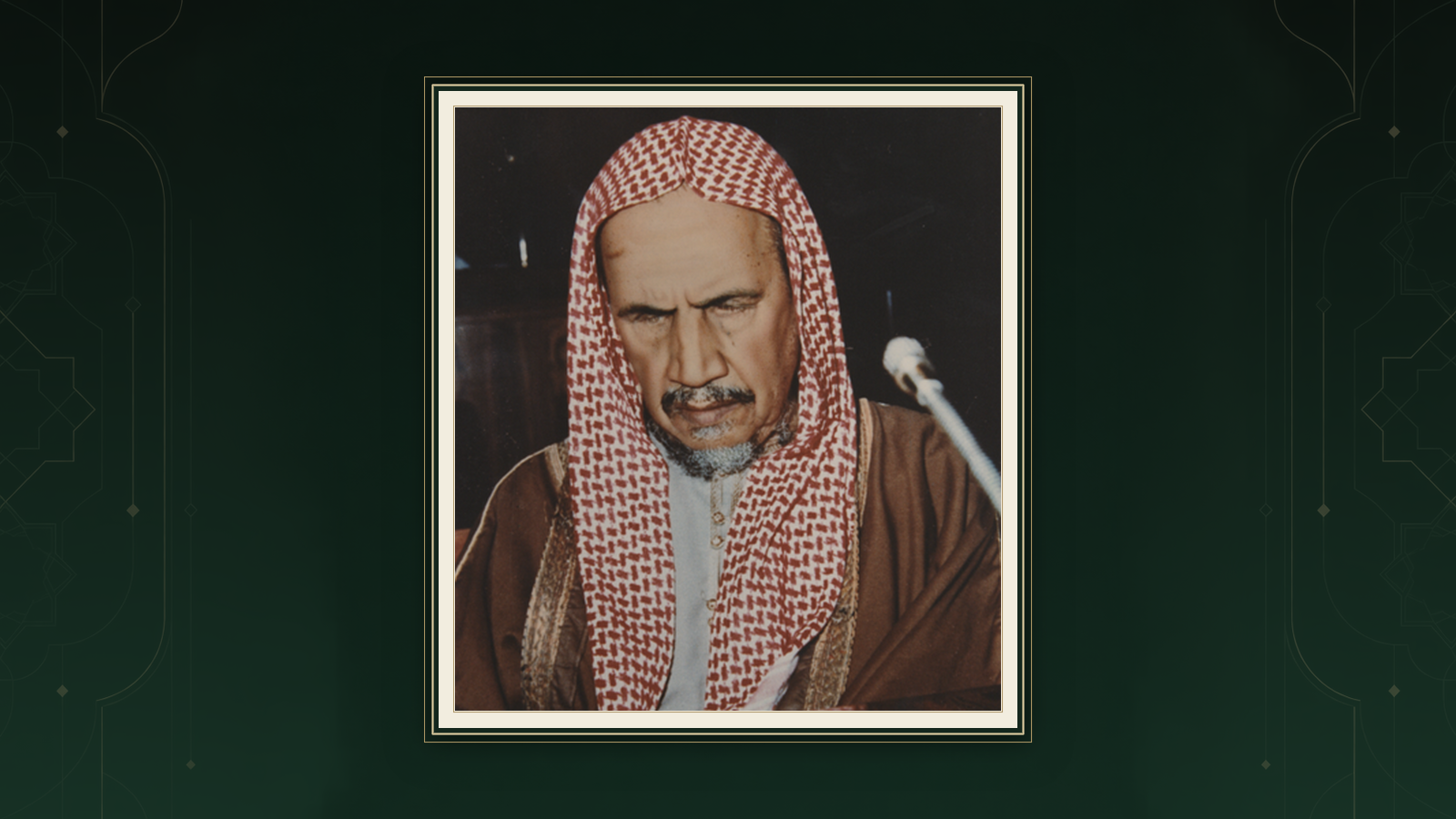
في النيابة عن الغير بالحج والعمرة
This page brings together four important fatwas from the late Sheikh Abdul Aziz bin Baz, may Allah have mercy on him, answering the most pressing questions on the minds of those who wish to perform Hajj or Umrah on behalf of a loved one: on whose behalf delegation is permitted, how delegation can be distributed between Hajj and Umrah, the case of someone who has not yet performed Hajj themselves, and the most important and often overlooked condition: how to choose who you entrust with confidence. We've arranged the four fatwas in a logical sequence to make them easier to follow, with each fatwa documented with its original link from the Sheikh's official website.
Fatwa One: Conditions for Umrah on Behalf of Others
The question posed to the Sheikh: Is it permissible for a person to perform Umrah on behalf of one of his brothers in faith, in a single Umrah, and what should he say if he intends to perform Umrah?
Summary of Sheikh Ibn Baz's answer:
Yes, it is permissible for a person to perform Umrah on behalf of his brother in faith, on one essential condition that must be present in the one being delegated for:
That they be deceased, or
That they be incapacitated due to old age, or an illness with no expectation of recovery.
Whoever performs this Umrah under this condition is thanked and rewarded for their action.
Official link: Conditions for Umrah on Behalf of Others - Sheikh Ibn Baz's Website
Fatwa Two: Delegating Hajj and Umrah
The question posed to the Sheikh: Is it permissible to perform Umrah on behalf of a deceased father, and delegate someone else to perform the obligatory Hajj on his behalf?
Summary of Sheikh Ibn Baz's answer:
There is no harm in this at all; it is permissible for the son to perform Umrah on his father's behalf himself, and delegate a trustworthy person to perform Hajj on his behalf.
However, the Sheikh noted an important preference: if the son personally undertakes both the Umrah and Hajj on his father's behalf, this is more complete in filial devotion.
It is likewise permissible for the reverse: for another person to perform Hajj on behalf of the father, while the son himself undertakes the Umrah.
The Sheikh added a further point of latitude: it is permissible for a person to perform Hajj on behalf of one person, and Umrah on behalf of an entirely different person — there is no objection to any of this.
Official link: Delegating Hajj and Umrah - Sheikh Ibn Baz's Website
Fatwa Three: The Ruling on Someone Who Has Not Performed Hajj Themselves Wishing to Perform It on Behalf of Another
The question posed to the Sheikh: A questioner states that his wife passed away without having performed the obligation of Hajj, and he wishes to perform Hajj on her behalf, but he himself has not yet performed his own Hajj. Is it permissible for him to delegate someone to perform Hajj on her behalf? And is it permissible for him to delegate someone to perform Hajj on his own behalf as well?
Summary of Sheikh Ibn Baz's answer (arranged to clarify the correct order):
Regarding the deceased wife: may Allah reward him well if he delegates trustworthy, righteous people to perform Hajj on her behalf immediately.
However, the Sheikh clarified a preferable order: it is best for the man to begin with himself first, performing Hajj for himself, then performing Hajj on behalf of his wife afterward, "he begins with himself first, this is what is obligatory," as the Sheikh stated.
Nevertheless, if he wishes to expedite his wife's Hajj before performing his own, by paying a trustworthy person to perform Hajj on her behalf, there is no harm in this either — "it is all fine," in the Sheikh's own words.
Official link: Hajj on Behalf of Another for Someone Who Has Not Performed Hajj Themselves - Sheikh Ibn Baz's Website
Fatwa Four: How Do You Choose Who You Delegate? (The Most Important Overlooked Condition)
This fatwa in particular is among the most important things anyone considering delegating a person to perform a rite on behalf of a relative should read, because Sheikh Ibn Baz here addresses the very standard of selection itself, not the ruling on permissibility.
Summary of the Sheikh's guidance, arranged as practical steps:
Research and verification first: Whoever wishes to delegate someone for Hajj or Umrah should choose a righteous person known for trustworthiness and integrity, and inquire about them — not being lenient in this matter.
Do not rush to pay money: It is not permissible to pay money to someone whose situation is unknown; one must be thorough in verifying this matter properly.
The real standard of trustworthiness: Do not delegate anyone except a trustworthy, honest person known as such by their neighbors, brothers, and companions genuinely — not merely by their own claim.
What if it later becomes apparent that the person delegated is not trustworthy? The Sheikh advised that, to be cautious, one should not simply accept this, but should pay for another Hajj through a different trustworthy person, or perform the rite themselves on behalf of their relative, so their heart may be at ease that the act of worship was performed as prescribed by Allah.
An explicit warning from the Sheikh: The Sheikh described the leniency of some people in giving money for Hajj and Umrah "to just anyone, whoever comes along," as a mistake, stating clearly: "and this is not trustworthiness, and it is not proper care."
The Sheikh's comprehensive conclusion: "One must be mindful of trustworthiness and fear Allah in all one's affairs."
Official link: The Ruling on Someone Who Delegates for Hajj a Person Not Known for Righteousness and Trustworthiness - Sheikh Ibn Baz's Website
Conclusion of the Four Fatwas Combined
From these four fatwas together, a clear path emerges for the listener or reader: delegation in Hajj and Umrah is permissible under its conditions (Fatwa One), and it can be flexibly distributed among more than one person (Fatwa Two), with a clear religious preference that whoever has not performed Hajj for themselves should begin with themselves first before delegating for another (Fatwa Three), and above all, the success of this entire act of worship depends on one decisive standard: choosing who you delegate with genuine trust and verification, not mere good assumption (Fatwa Four).